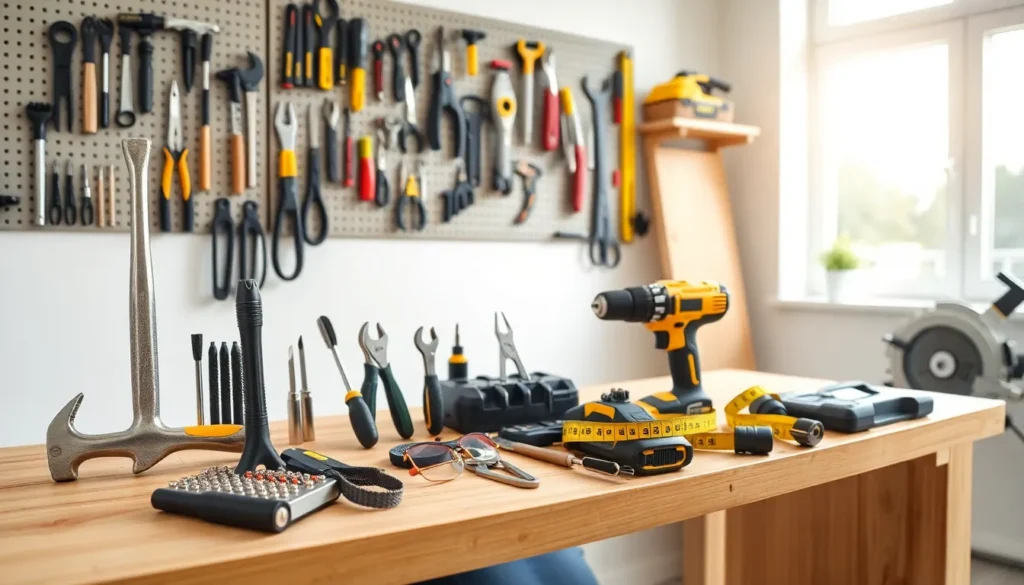
Hardware tools form the backbone of every successful project, whether someone is building a deck, fixing a leaky faucet, or assembling furniture. The right tools save time, reduce frustration, and produce better results. This guide covers essential hardware tools that every homeowner, DIY enthusiast, and professional should know. From basic hand tools to powerful electric equipment, readers will learn what they need, how to choose wisely, and how to keep their tools in top condition. Understanding hardware tools isn’t just practical, it’s empowering.
Table of Contents
ToggleKey Takeaways
- Essential hardware tools like hammers, screwdrivers, pliers, and tape measures form the foundation of any toolkit for home repairs and DIY projects.
- Cordless drills are the most versatile power tool and should be among the first additions to your hardware tools collection.
- Mid-range tool brands typically offer the best balance of quality and value, outlasting budget options without the premium price.
- Proper storage in dry conditions and regular cleaning extends the life of your hardware tools and maintains their performance.
- Always prioritize safety by wearing protective gear and never disabling safety features on power tools.
- Build your tool collection gradually—start with basics and add specialized hardware tools as specific projects require them.
Types of Hand Tools
Hand tools represent the foundation of any tool collection. These hardware tools require no electricity or batteries, making them reliable in any situation.
Hammers and Mallets
A claw hammer handles most household tasks. It drives nails and removes them with its curved back end. A rubber mallet works better for assembling furniture or adjusting pieces without leaving marks. Most people need both.
Screwdrivers
A quality screwdriver set covers Phillips head, flathead, and Torx varieties. Many hardware tools users prefer multi-bit screwdrivers that store different tips in the handle. This approach saves space and keeps everything in one place.
Pliers and Wrenches
Needle-nose pliers grip small objects and reach tight spaces. Adjustable wrenches fit various bolt sizes without needing a complete wrench set. Locking pliers (often called Vise-Grips) clamp onto objects and stay locked until released.
Measuring and Marking Tools
A 25-foot tape measure handles most jobs. A combination square checks 90-degree angles and marks straight lines. A level ensures shelves hang straight and surfaces stay even. These hardware tools prevent costly mistakes.
Cutting Tools
Utility knives cut through cardboard, drywall, and packaging. Hand saws still work well for quick cuts when setting up power equipment takes too long. A hacksaw cuts through metal pipes and bolts.
Power Tools for Home and Professional Use
Power tools multiply what a person can accomplish. These hardware tools use electricity or batteries to perform tasks faster and with less effort.
Drills and Drivers
A cordless drill ranks as the most versatile power tool available. It drills holes and drives screws with interchangeable bits. Impact drivers provide more torque for stubborn fasteners. Most homeowners start their power tool collection here.
Saws
Circular saws cut lumber quickly and accurately. Jigsaws handle curves and detailed cuts. Miter saws create precise angled cuts for trim work and framing. Each saw type serves specific purposes in woodworking and construction.
Sanders
Orbital sanders smooth wood surfaces before painting or staining. Belt sanders remove material quickly for rough shaping. These hardware tools turn hours of hand sanding into minutes of easy work.
Specialty Power Tools
Angle grinders cut and polish metal. Rotary tools handle detailed work like engraving and precision cutting. Nail guns speed up framing and finish carpentry. Professional contractors rely on specialty hardware tools daily.
Corded vs. Cordless
Cordless tools offer portability and convenience. They’ve improved dramatically in recent years. Corded tools still deliver consistent power for heavy-duty jobs. Many people own both types depending on their needs.
Choosing the Right Tools for Your Needs
Buying hardware tools requires thoughtful consideration. The cheapest option often costs more in the long run through replacements and frustration.
Assess Your Projects
Someone who only hangs pictures needs different tools than someone renovating a bathroom. A basic toolkit covers most household repairs. Larger projects demand specialized hardware tools.
Quality vs. Price
Mid-range brands often provide the best value. Budget tools may break under pressure. Professional-grade tools cost more but last decades. Consider how often each tool will see use.
Ergonomics Matter
Tools should feel comfortable in hand. Rubber grips reduce fatigue during extended use. Weight affects how long someone can work comfortably. Test hardware tools in the store when possible.
Building a Collection
Start with essentials: a hammer, screwdriver set, pliers, tape measure, and level. Add a cordless drill next. Buy additional hardware tools as specific projects require them. This approach spreads costs over time and prevents buying tools that sit unused.
Brand Considerations
Some brands offer battery compatibility across their tool lines. This feature saves money on chargers and batteries. Research warranty policies before purchasing expensive hardware tools.
Tool Maintenance and Safety Tips
Proper care extends tool life and keeps users safe. Neglected hardware tools perform poorly and create hazards.
Storage Solutions
Dry storage prevents rust on metal tools. Toolboxes, pegboards, and drawer organizers keep items accessible. Storing hardware tools properly also protects their edges and surfaces.
Cleaning Routines
Wipe tools after each use. Remove sawdust, dirt, and moisture promptly. Clean power tool vents to prevent overheating. A few minutes of maintenance saves hours of problems later.
Sharpening and Calibration
Dull blades work harder and produce worse results. Sharpen saw blades, chisels, and drill bits regularly. Check levels and squares for accuracy periodically. Well-maintained hardware tools perform better.
Safety Fundamentals
Wear safety glasses when cutting, drilling, or hammering. Use hearing protection with loud power tools. Keep work areas clean and well-lit. Never disable safety features on hardware tools.
Battery Care
Store lithium-ion batteries at partial charge when not in use. Avoid extreme temperatures. Replace batteries that no longer hold charge effectively. Good battery habits keep cordless hardware tools ready for action.